The Beginning and Evolution
In its early form, mail order brides appeared hundreds of years ago, arising from the societal demand for marriage partnerships across regions far apart.
The American frontier era witnessed a surge in mail order bride advertisements, enabling men to connect with women from different nations or distant communities.
In many new territories, the shortage of women and the economic necessity resulted in the growth of the mail order bride phenomenon.
The transition from personal letters and classified ads to professionally printed catalogs marked a significant step in mail order bride history.
Cross-Cultural Histories and Perspectives
Mail order bride traditions exhibited variety markedly between countries and cultures.
Several Asian countries, including China and Southeast Asia, have historical precedents for arranged marriages similar to mail order brides to address gender imbalances.
European mail order bride systems developed under different social frameworks, frequently tied to migration and colonization.
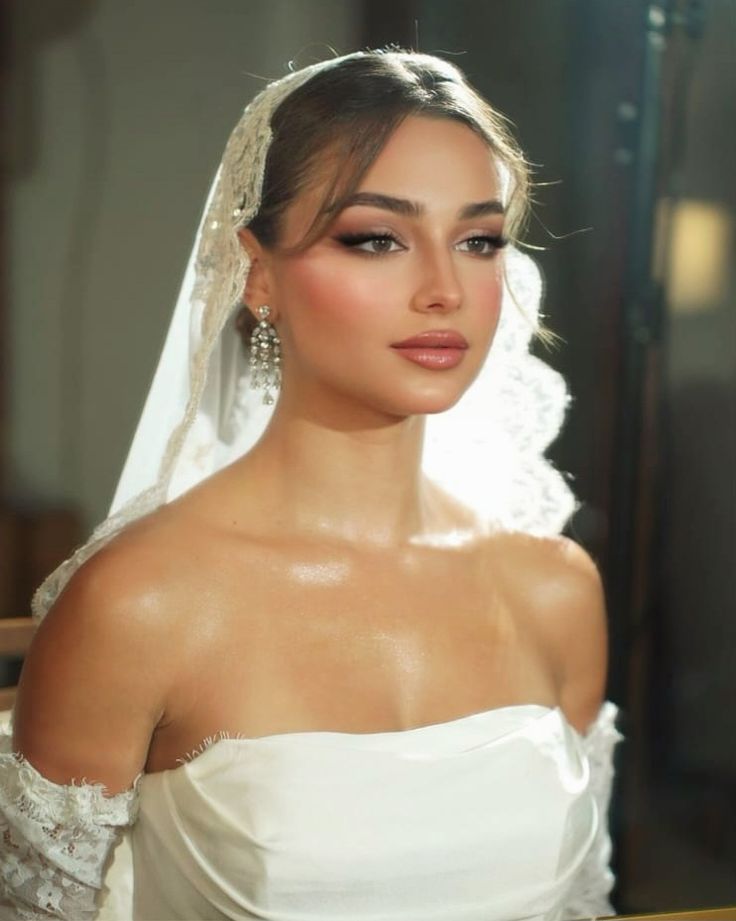
Latin American regions have mail order bride histories shaped by a blend of indigenous and European colonial practices.
Contemporary mail order bride exchanges commonly involve Eastern Europe and the Philippines, which represent new facets of a longstanding practice.
Motivations Behind the Tradition
Throughout history, financial needs have played a central role in the emergence of mail order brides.
The demographic imbalances in frontier areas encouraged men to find wives through mail order arrangements.
Marriage through mail order offered women a pathway to improved economic prospects and new lives.
Persistent social norms, economic challenges, and skewed gender ratios have sustained mail order bride practices over time.
Mail order brides significantly aided continue reading the social fabric and demographic expansion of new communities.
How Correspondence Transformed
At first, hopeful partners exchanged ink-written letters that traveled by slow mail services, testing patience.
Newspaper advertisements marked an evolution by gathering diverse bride profiles for wider audience reaching.
Although telephones and telegraphs offered quicker contact, letter writing continued to be essential for thorough communication.
In recent decades, the internet has revolutionized mail order bride interactions, offering instant messaging, video chats, and online profiles.
Contemporary mail order bride transactions benefit from instant connectivity while facing concerns over legitimacy and risk.
Regulation and Morality
Legal frameworks governing mail order bride arrangements vary significantly worldwide, reflecting different cultural and political contexts.
Some countries have enacted strict rules requiring background checks, marriage contracts, and residency requirements to protect parties involved.
Ethical questions often highlight the dangers of treating marriage as a commodity and the vulnerability of women involved.
Advocates underscore that these marriages often arise from voluntary agreements and foster cultural understanding.
Reforming policies strive to protect rights, uphold freedoms, and support well-being within mail order bride arrangements.