Origins and Early Practices
The concept of mail order brides emerged centuries ago, rooted in societal circumstances where partnership was often arranged across great distances.
The westward expansion era marked a time when mail order bride catalogs flourished, helping men find brides from elsewhere.
Economic forces and a scarcity of women in frontier settlements spurred the rise of mail order brides, addressing the gender imbalance.
From humble beginnings involving letters and newspaper notices, mail order bride connections expanded into catalog business models.
International Views and Cultural Differences
Worldwide, mail order bride patterns have manifested variously due to differing cultural norms.
In many Asian societies, arranged bride practices parallel to mail order bride systems were used to tackle regional gender disparities.
European mail order bride systems developed under different social frameworks, frequently tied continue reading to migration and colonization.
The blend of indigenous and colonial heritages in Latin America created a unique context for mail order bride traditions.
Modern mail order bride markets often involve countries from Eastern Europe, the Philippines, and Latin America, reflecting contemporary economic and social dynamics.
Driving Forces Behind Mail Order Bride Practices
Throughout history, financial needs have played a central role in the emergence of mail order brides.
Men settling in frontier or undersupplied regions sought spouses to help build families and communities.
For numerous women, mail order bride arrangements were means to secure better opportunities and livelihoods.
Persistent social norms, economic challenges, and skewed gender ratios have sustained mail order bride practices over time.
Historical records often emphasize how mail order brides contributed to strengthening new settlements and expanding populations.
How Correspondence Transformed
Traditional letter-writing was the foremost communication channel between brides and suitors before modern innovations.
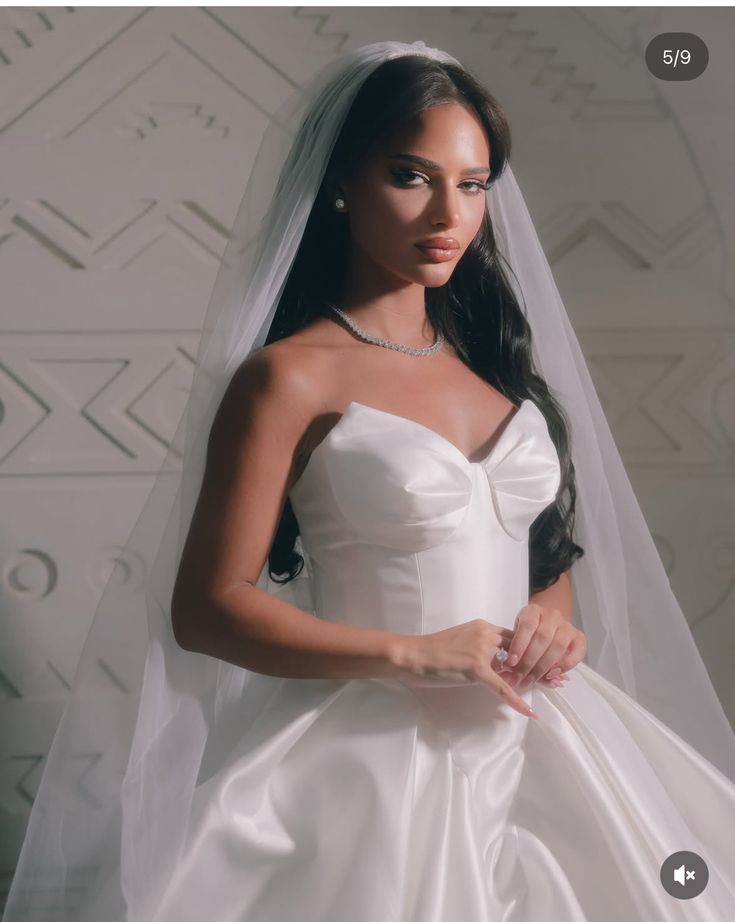
Print media, especially newspapers, became an important platform for advertising potential mail order brides.
Technological advances like the telegraph and telephone shortened communication times but letters still prevailed.
Digital communication has introduced new levels of convenience and accessibility to the mail order bride system.
This evolution has made international relationships more accessible but also raised new questions about authenticity and safety.
Contemporary Legal Challenges
Legal frameworks governing mail order bride arrangements vary significantly worldwide, reflecting different cultural and political contexts.
To mitigate exploitation, some jurisdictions demand comprehensive checks and enforceable legal terms for mail order marriages.
Concerns about fairness, exploitation, and objectification frequently frame ethical scrutiny of mail order bride practices.
Advocates stress empowerment, cultural exchange, and personal agency in contracts formed through this tradition.
Policy evolution seeks a fair equilibrium between safeguarding participants and promoting personal choice in mail order unions.